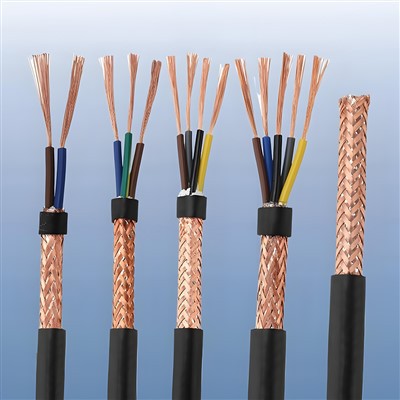
Hey everyone, I’m [Your Company Name]’s go-to guy for building wire—you know, the stuff that keeps your lights on, your HVAC running, and all the critical systems in a building playing nice. Lately, I’ve been getting so many DMs and calls from electricians, facility managers, and even some DIYers asking the same question: “What’s the actual best way to secure building wire to a structure?” Building Wire
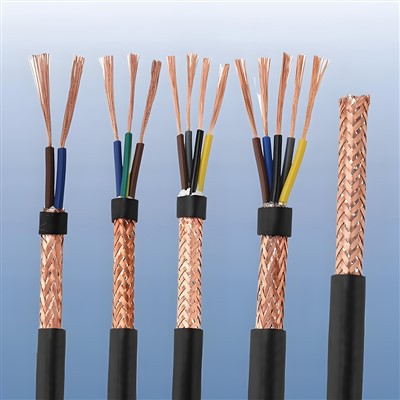
At first, I thought it’d be a simple answer—just use staples, right? Nope. Spent the last six months bouncing around job sites, testing different methods, even chatting with some old-school electricians who’ve been in the game for 40+ years, and let me tell you, there’s way more to it than grabbing any old fastener. This isn’t just about holding wire in place—it’s about not tearing the insulation, making sure it doesn’t shift during an earthquake, complying with code (shoutout to NEC, that’s the National Electrical Code, if you’re new here), and saving you time (and money) on callbacks.
First off, let’s get one thing straight: I’m not here to sell you anything out of my trunk. But as someone who sells building wire every single day, I’ve seen exactly what happens when people skimp on securing it. Last year, a buddy of mine installed a 1,000 sq ft retail space with cheap staples—they were sharp, and when he pulled the wire tight, they nicked the insulation. Three months later, a short circuit fried the cash register and half the lighting. That wasn’t a “oops” moment—that was a “you cut corners and now you’re fixing it for free” moment. So this advice is rooted in real job site fails, not just textbooks.
Let’s break this down by scenario, because what works for a residential basement isn’t the same as a high-rise parking garage. I’ll keep it casual, no fancy jargon unless it’s necessary, and I’ll throw in some hacks I picked up along the way.
Residential: Basements, Attics, and Wall Cavities
Most of my residential folks are working in small spaces—wall cavities with studs, unfinished basements with floor joists, attics where it’s 100 degrees and you’re fighting insulation. The go-to here is usually staples, but not just any staples. I’ve tested standard steel staples vs. the ones with rounded edges, and let me tell you, rounded is non-negotiable. Sharp edges will slice insulation, plain and simple. And don’t get me started on the size—you need a staple that’s long enough to go through the wire’s jacket and into the stud/joist, but not so long that it pokes through the other side. Wait till you get a call from a homeowner saying they found a staple sticking through their drywall 6 months later.
Here’s the hack I learned from a 50-year electrician named Joe in Cleveland: pre-punch a tiny indent with a nail where you want to place the staple. That way, when you shoot the staple in, it doesn’t slide across the wood and gouge the wire. Also, spacing—NEC says you can’t have more than 4.5 feet between fasteners for NM cable (that’s the common residential wire), and 5 feet for Romex. But I swear, even if you nail a little extra—like every 3 feet in tight spaces—you won’t regret it. I’ve seen wires shift so much in attics that they started rubbing against rafters and frayed the jacket over time.
Pro move for finished walls: If you’re fishing wire through existing walls and can’t get a staple right where you need it, use cable clips instead of staples. They’re small, you hammer them in, and they grip the wire without piercing it. I keep a bag of these in my tool belt at all times—saved me from nicking a wire in a recent kitchen remodel.
Commercial: Office Spaces, Retail, and Industrial
This is where it gets serious. Commercial spaces have stricter code requirements, more weight on wires (especially if you’re running multiple circuits), and often more traffic or movement. For example, in a drop ceiling, you can’t just staple wire to the T-bars—they’re flimsy, and the wire will sag over time. The go-to here is either J-hooks or cable trays. J-hooks are perfect for single runs or small bundles—they’re plastic-coated, so they don’t scratch the wire, and you can space them every 2-3 feet. For larger bundles of 4+ wires, cable trays are non-negotiable. They keep everything organized, support the weight, and make future additions way easier than prying staples out of studs.
I talked to a facilities manager who works in a 10-story office building downtown—they used to use metal staples for commercial runs, and within a year, 12% of the wires had insulation damage. Switched to coated J-hooks and cable trays, and that number dropped to less than 1% in two years. The extra cost upfront is nothing compared to the cost of repairs and compliance fines. Also, if you’re running wire near doors or areas that get a lot of foot traffic, add extra fasteners—wire can get pulled or bumped, and you don’t want it coming loose and becoming a tripping hazard or a fire risk.
High-Rise and Seismic Zones: The Big Boys
If you’re working in California, Texas, or any other place that gets earthquakes, securing wire isn’t just about code—it’s about safety. I’ve seen videos of wires swinging during a 5.0 quake, tearing out of fixtures and breaking. Here’s the thing: standard staples and J-hooks won’t cut it. You need seismic bracing. That means using metal straps or rigid cable supports that are rated for seismic activity, spaced every 4 feet max, and attached to structural elements (like concrete beams, not just drywall or T-bars). A lot of electricians I work with in LA use a combination of J-hooks for regular runs and metal L-braces for any runs that cross open spaces—they bolt the brace to the floor or ceiling, so even if the building shakes, the wire stays put.
Don’t skip the seismic testing. Last year, a contractor in Phoenix tried cutting corners on a seismic project, using standard clips instead of rated ones. During a mandatory inspection, they got a $2,000 fine and had to rip out all the wire and redo it. Not worth it.
Mistakes Everyone Makes (That I See All the Time)
Let’s get real—we’ve all been in a rush on a job, and these are the mistakes that come back to bite you:
- Using the wrong fastener size: A staple that’s too small won’t hold the wire down, a staple that’s too big pierces it. I keep a size chart in my truck now—simple, tells me what staple to use for 14/2, 12/2, etc. No more guesswork.
- Over-tightening fasteners: I’ve seen people shoot a staple so tight it crushes the wire’s jacket. That’s a fire hazard, plain and simple. The wire should sit snug, not squished.
- Ignoring spacing requirements: NEC isn’t being a pain—they’re setting rules because wires that sag too much rub against sharp edges. Don’t skip a staple just because it’s in a hard spot. Take an extra 10 seconds to place it correctly.
- Using old, rusted fasteners: Rust can transfer to the wire’s jacket, eat away at it over time, and cause corrosion. I only stock stainless steel or zinc-plated fasteners now—worth the extra cost.
What My Team and I Recommend (The No-BS Method)
After testing all this, here’s the method we swear by for every job:
- Prep: Measure where you need fasteners, mark spots. For studs/joists, pre-punch a tiny indent with a nail to keep fasteners from sliding.
- Pick the right fastener: Rounded-edge staples for residential, coated J-hooks for commercial small runs, cable trays for bundles, seismic-rated straps for high-quake areas.
- Space correctly: Follow NEC guidelines, but add one extra fastener in hard-to-reach spots.
- Check: After securing, give each wire a gentle tug—if it moves more than an inch, you need another fastener. No exceptions.
Now, I’m a building wire supplier, so I’d be lying if I said I don’t have favorite products to recommend. We stock all the right fasteners—rounded staples, coated J-hooks, seismic-rated braces—stuff that’s tested, doesn’t damage wire, and meets NEC codes. I’m not gonna spam you with links (I told you I don’t do the trunk sales thing), but if you’re tired of buying cheap staples that break or damage wire, hit me up. I’ll hook you up with the stuff I use on every job, no markup if you’re a regular.
Final Thought: This isn’t rocket science, but it’s critical. Securing wire the right way keeps your jobs code-compliant, avoids callbacks, and keeps buildings safe. I’ve seen too many fires and repairs because someone thought “staples are staples.” Don’t be that person.
If you’re an electrician, facility manager, or anyone working on a wiring project, and you want to chat about what fasteners work best for your specific job, or if you have questions about wire types and securing methods, reach out. I’m here to help—no pressure, just solid advice from someone who’s been in the thick of job sites for years.
Cable References: National Electrical Code (NEC) 2023 Article 336 for Non-Metallic Sheathed Cable Installation, Institute of Electrical and Electronics Engineers (IEEE) 1100 for Powering and Grounding Electronic Equipment, National Fire Protection Association (NFPA) 70 for Electrical Installations.
Hebei Liangyu Cable Co., Ltd.
We’re well-known as one of the leading building wire manufacturers and suppliers in China, specialized in providing high quality customized service. We warmly welcome you to buy durable building wire made in China here and get pricelist from our factory. For price consultation, contact us.
Address: Yanbai Industrial Zone, Jiajiakou Town, Ningjin County, Xingtai City, Hebei Province
E-mail: 18932990441@163.com
WebSite: https://www.liangyucable.com/
