If you’ve ever been knee-deep in a fluid handling project—whether it’s for a well, a wastewater system, or even a DIY garden pond pump—you’ve probably banged your head against picking the right valve. Two terms that pop up all the time are “foot valve” and “ball valve,” and I get it: they sound similar at first, but they’re totally different beasts. As someone who’s been selling foot valves for over a decade, I’ve seen way too many folks mix these two up, and that confusion can lead to everything from a pump that won’t prime to a leaky system that costs way more than it should. Let’s break this down straight, no corporate jargon, just the real stuff I’ve learned from talking to plumbers, well drillers, and DIYers every single day. Foot Valve

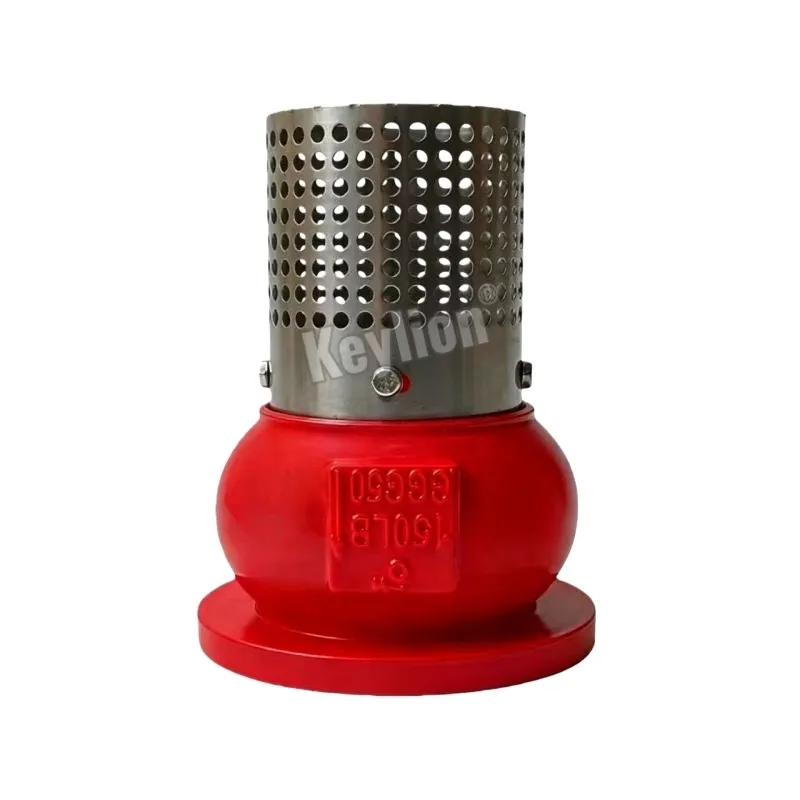
First up, let’s start with what each valve actually does, because that’s where the biggest gap is. A foot valve is a type of check valve, plain and simple. Its whole job is one thing: keep fluid from flowing backwards, especially from a pump’s suction line. I’ll use a well pump example—if you’ve got a shallow well, the foot valve sits right at the bottom of the drop pipe, submerged in water. When the pump turns on, it sucks water up through the pipe; the foot valve pops open to let that water pass. But once the pump shuts off, the foot valve slams shut immediately, trapping the water in the pipe. That means next time you fire the pump up, it doesn’t have to work hard to pull water from scratch—no more priming every single time, which is a huge pain. Without a foot valve, you’d have to pour a bucket of water down the pipe every time to get the pump going. Yeah, I’ve heard that horror story more times than I can count.
A ball valve, on the other hand, is a general-purpose isolation valve. It’s got a hollow, perforated ball inside that you turn with a handle—quarter turn, and it’s either all the way open or all the way closed. Think of it like a light switch, not a dimmer: flick it, and flow happens or it doesn’t. You’ll find these on everything from a garden hose bib to a industrial pipeline, because they’re great for shutting off flow quickly and holding up to pressure pretty well. But here’s the thing: a ball valve was never designed to sit at the bottom of a well or prevent backflow from a suction line. I’ve had customers try to use a ball valve as a foot valve, and let’s just say it never ends well. Ball valves can leak a little when closed (thanks to the ball’s seal wearing over time), and they don’t automatically close on their own—if the pump cuts out, the suction line drains right back, and you’re priming again.
Next, let’s talk about design, because that’s the root of all the differences. Foot valves are built for submersion and one-way flow. Most have a heavy cast iron or stainless steel body (for corrosion resistance), a check disc or a spring-loaded poppet inside, and a screen strainer on the inlet. That strainer is non-negotiable—it keeps debris like sand, leaves, or well sediment from jamming the valve open or closed. Without that strainer, sand can get in, and the foot valve won’t seal anymore. Some foot valves even have a swing-style disc, which works great for thicker fluids, while poppet types are better for clear water. They’re also sized specifically for suction lines, not for high-pressure discharge lines, which is another common mistake people make: trying to use a foot valve on the discharge side of a pump. That just doesn’t work—foot valves aren’t built for the high pressure on the discharge side, they’re for low-pressure suction lines.
Ball valves, by contrast, are all about versatility. Their design is simple: a brass, PVC, or stainless steel body, that hollow ball with a hole through the middle, and a handle that sticks out the top. The seal comes from PTFE or rubber seats around the ball, which wear over time. They’re made to handle both low and high pressure, so you can use them on suction or discharge, cold or hot water, even some chemicals. But because they’re isolation valves, they don’t have the automatic check feature that a foot valve does. If a pressure spike hits the discharge line, a ball valve will hold, but if there’s a drop in pressure on the suction side, it’ll just let water flow backwards. That’s exactly why you can’t swap a ball valve for a foot valve.
Let’s get into use cases, because that’s what really matters. When do you reach for a foot valve? Any time you need to prime a pump automatically, no manual priming required. Shallow well pumps, deep well submersible pumps, sump pumps (wait, sump pumps—yes, some sump systems use foot valves to keep the pump from losing prime), pond pumps, and even some irrigation systems that pull water from a surface source like a lake or tank. I once worked with a guy who had a pond pump that kept burning out because he didn’t have a foot valve—every time the pump shut off, the water drained back into the pond, so he was starting from empty every time, putting way more strain on the motor. He swapped in a foot valve, and his pump lasted three more years. That’s the kind of real-world impact I see every day.
Ball valves? They’re for when you need to shut off flow completely, quickly. Installing under sinks, on hose connections, controlling flow in a plumbing line, isolating a section of pipe for repairs, even on gas lines. They’re not designed for continuous submersion (well, some PVC ones are, but not for years at the bottom of a pipe) and they don’t replace the one-way function of a foot valve. I’ve seen a customer on a well try to put a ball valve at the bottom of his drop pipe, and within six months, the seal on the ball wore out, and his well lost prime every week. He came to me for a foot valve, and that fixed it.
Now, let’s talk about pros and cons, because no valve is perfect. Foot valve pros: automatic priming, prevents pump wear by keeping the line full, simple to install for suction lines, built for submersion. Cons: not for high pressure, can get clogged if you skip the strainer, not for isolation (you can’t use it to shut off flow mid-pipe for repairs easily). Ball valve pros: quick quarter-turn operation, reliable isolation, versatile for many uses, holds up to high pressure. Cons: not automatic backflow prevention, can leak when closed over time, not ideal for continuous submersion, not for long-term suction line priming.
Another big point: pressure rating. Foot valves typically have a lower pressure rating, because they’re only for suction lines (usually 150 PSI max, tops). Ball valves can go up to 1000 PSI or more, depending on the material and size. So if you’re working on a high-pressure discharge line, a foot valve won’t cut it, but a ball valve will. If you’re working on a suction line, a ball valve can’t do the one-way job a foot valve does, no matter what the pressure.
Wait, let’s clear up a common myth: some people think a check valve is the same as a foot valve, but a foot valve is actually a specific type of check valve with a strainer and a design for submersion. A regular check valve might not have the strainer, and it’s not built to sit under water for years. That’s why foot valves are made for that specific use case.
I get that it’s tempting to cut costs by using a ball valve where a foot valve should go, or vice versa. But trust me, I’ve seen the consequences. A guy once saved $20 by using a ball valve as a foot valve on his well, and two months later, his pump burned out—cost him $800 in a new pump, plus the labor. That $20 savings ended up costing way more. On the flip side, don’t go buying a foot valve for your garden hose bib—total overkill, and it won’t work right for isolation.
So, how do you pick the right one? First, ask yourself: is this valve going on a suction line that needs to hold prime? If yes, foot valve. Is this valve for shutting off flow completely, quickly, anywhere else? If yes, ball valve. It’s really that simple, but so many people skip that basic check and end up with problems.
If you’re working on a well, a pond, a sump pump, or any system where you need to keep your pump primed, a foot valve is the way to go. If you’re dealing with isolation, repair, or high-pressure lines, reach for a ball valve. But if you’re not sure which one you need, or if you’ve got a project that’s a little tricky, feel free to reach out. I’ve helped plumbers, well drillers, and DIYers get the right valve for their job for years, and I’d be happy to help you too.
No need to guess, no need to risk your pump or your system. Just talk through your project, and we’ll get you the right valve that fits your needs.
Y Type Strainer References:
- Water Well Journal, “Foot Valves: Selection and Installation Best Practices”, National Ground Water Association, 2021
- ASME B16.34, “Valves – Flanged, Threaded, and Welding End”, American Society of Mechanical Engineers, 2020
- plumbing.about.com, “How Ball Valves Work and When to Use Them”, Dotdash Meredith, 2022
- Sump Pump Association, “Common Failures in Residential Pump Systems”, National Sump Pump Association, 2021
- Industrial Valves Magazine, “Check Valve vs. Isolation Valve: Key Differences for Fluid Systems”, Penton Media, 2022
Quanzhou Keylion Valve Co., Ltd.
We’re known as one of the most professional foot valve manufacturers and suppliers in China, also support customized service. We warmly welcome you to buy high quality foot valve made in China here from our factory. If you have any enquiry about cooperation, please feel free to email us.
Address: NO.17, JINYUAN, ZHENSHAN VILLAGE, NANAN CITY, FUJIAN PROVINCE
E-mail: sales@keylionvalve.com
WebSite: https://www.keylion-valves.com/
