Hey everyone, it’s Mia here from the fiberglass tissue crew—we’ve been supplying this stuff for over a decade, and let’s be real, most folks fixate on how fiberglass tissue cuts, or how well it bonds with resin, but the second it’s stored wrong, all that quality goes out the window. I’ve seen it happen so many times: a client receives a pallet of tissue that’s supposed to be 120 gsm, and half of it’s stiff, or it frays way too easily because it sat in a damp warehouse for 6 weeks. Today I’m breaking down exactly what we tell every new client about storing fiberglass tissue—no stuffy industry jargon, just what actually works from someone who’s handled this stuff day in and day out. Fiberglass Tissue
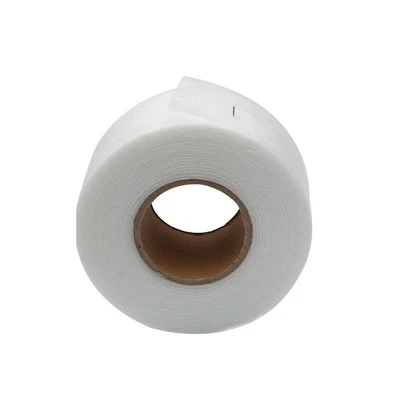
First off, let’s get one thing straight: fiberglass tissue isn’t like a roll of paper towels you can leave on the counter. It’s made of super fine, interwoven glass filaments—those tiny little strands are its whole strength. If they get messed up, even a tiny bit, the whole tissue’s integrity takes a hit. We once had a builder order 5 rolls for a marine repair, and they stacked them outside their workshop next to a leaky AC unit for 3 days before bringing them in. When they unrolled it, the edges were all fuzzy, and the tensile strength was 30% lower than spec. That’s not a “we messed up” call—that’s a storage fail, plain and simple.
Starting with the big two factors that wreck fiberglass tissue more than anything else: moisture and temperature. Wait, let’s talk moisture first because it’s the sneakiest one. Fiberglass filaments are hydrophobic on their own, right? But the sizing (that’s the chemical coating we put on them when we manufacture tissue to keep them from fraying during processing) is totally hydrophilic. Sizing attracts moisture like a magnet. If your tissue absorbs too much water, that sizing breaks down, and the filaments start rubbing against each other when you handle it. The result? Stiff, brittle tissue that doesn’t weave well or bond properly with resin. We test every batch we ship to make sure moisture content is under 0.5%—that’s the sweet spot.
So what’s the rule for humidity? We tell our clients to keep storage areas at relative humidity (RH) between 35% and 55%. Anything above that, and you’re at risk. I know not every warehouse has a fancy dehumidifier, but even simple hacks help: if you’re storing rolls in a basement, put a layer of pallets under them to get them off the concrete (concrete wicks moisture like crazy) and throw in a few silica gel packets if you have extra space. We’ve had clients use those desiccant bags you get with new electronics—those work in a pinch. Just don’t leave them loose where they can tear into the tissue.
Temperature’s almost as big, but it’s less talked about. Excess heat? That messes with the sizing too. The chemicals in the sizing can break down, turn sticky, or even cause the filaments to stick together. We’ve seen rolls that were stored near a loading dock heater (you know, the ones they use in winter to melt snow off trailers) come in all clumpy—you could barely unroll them without tearing. Too cold? Not as big of a deal, but if it’s below freezing, condensation can form when you bring the tissue into a warmer space, so you want to let it acclimate to room temp for at least 24 hours before unrolling it, just to be safe. The sweet spot for temp? Between 15°C and 25°C (that’s 59°F to 77°F for our US folks—we still mix metrics sometimes, don’t judge).
Next up: how you actually handle and stack the tissue rolls. I can’t tell you how many times I’ve shown up to a client’s site and seen rolls stacked 10 high on a flimsy wooden pallet. Fiberglass tissue rolls are cylindrical, and if you stack too many heavy ones on top, the lower rolls get compressed. Compression squishes the interwoven filaments, creates permanent creases, and makes the tissue uneven in thickness. For standard 1m wide rolls, we max out at 3 rolls high. And never lay them flat—always stand them vertically, like you would with paper towels or toilet paper. That way, the weight’s spread evenly along the core, not pressing on the sides of the tissue. Another thing: don’t let rolls touch the ground. Even if the floor is dry, dust, dirt, or small debris can get into the tissue’s weave and cause defects when you cut or lay it down. A $20 pallet investment saves you from a whole batch of ruined material.
What about storage duration? Let’s be real, no one’s going to buy tissue and use it all in a week, right? But there’s a point where even good storage can’t keep it perfect forever. We recommend using rolls within 12 months of the manufacturing date (that date’s printed on the core, so keep an eye out). After that, the sizing starts to degrade naturally, even in ideal conditions—fraying increases, and resin adhesion goes down. I’ve had a client store a roll in a perfect dry room for 18 months, and when they used it, they said it was stiffer than new, and the resin didn’t soak in as well as it should have. That’s not to say it’s unusable after 12 months, but you’re going to notice a drop in quality.
And let’s not forget the other enemies: dust, chemicals, and sunlight. Wait, sunlight? Yeah, UV rays from direct sunlight or even harsh indoor lighting can break down fiberglass over time? No, wait—actually, it’s the sizing again. UV radiation breaks down the sizing’s chemical structure, same as heat. If you leave rolls sitting in a sunny loading dock for a week, you’ll see the edges turn a little yellow, and that’s the sizing starting to go. So store tissue in a dark place—no windows, no overhead UV lights, just regular indoor lighting if you need it. Dust? Dust gets into the weave, and if you’re using it for things like boat hulls or surfboards, that dust will show up as tiny bubbles or weak spots in the finish. Keep storage areas clean, and cover rolls if you have to leave them out for a little while. And chemicals? Don’t store tissue near solvents, paints, or any harsh fumes. Those fumes can get absorbed by the sizing, mess with adhesion, and even leave a bad odor on the finished product.
Let me throw in a couple real quick horror stories to drive this home. Last year, a roofing contractor ordered 20 rolls of 600 gsm tissue for a big warehouse roof project. They stored them in a unheated shed on a construction site for 2 months before the job started. When they pulled them out, half the rolls had mold on the ends (mold grows from moisture, duh) and when they laid the tissue down, it wouldn’t bond with the adhesive they were using. They tried to return them, but we told them it was storage, not manufacturing. We ended up working with them to test the salvageable rolls, cut the bad edges, and get the job done, but it cost them way more time and money than if they’d stored it right. Another one: a surfboard shaper who stored his rolls in his garage next to his paint supply. The solvent fumes from the paint seeped into the tissue, and his next 5 boards had weird, weak spots in the fiberglass layup. He learned the hard way to segregate his materials.
Now, what can you do if you get your tissue and notice it’s already not looking right? First, check the moisture: if it feels damp, let it air out in a low-humidity room for a day, don’t use it right away. If it’s got creases from stacking too high, you can unroll it slowly and lay it flat under a heavy, smooth object (like a big piece of plywood) for a few hours to flatten it out. But if it’s already stiff, smells funny, or has mold? Yeah, that’s probably a lost cause. Don’t try to use it—it’ll only cause problems later.
Wait, one quick tip for when you’re actually moving the rolls from storage to your work area: always use a cart or a hand truck. Don’t drag them across the floor. Even if the floor is clean, dragging can catch the edges and fray the tissue, or put uneven stress on the filaments. We always tell our team to carry rolls by the core, not the ends—less chance of squishing or tearing.
I know a lot of small business owners or DIY folks don’t have fancy storage warehouses with dehumidifiers and temp controls. So let’s make this actionable for everyone, not just big guys. For small batches: get a plastic storage bin with a tight lid, throw in a few silica gel packets (you can get these at any hardware store or even order them online cheap), and stand the rolls vertically inside. Put the bin in a cool, dark closet or basement (just off the floor). That’s it, that’s a $30 solution that works almost as well as a commercial warehouse. For larger jobs: invest in a cheap dehumidifier (100-pint ones aren’t that expensive, and run for pennies a day) and stack rolls no higher than 3 on pallets. Simple stuff.

At the end of the day, fiberglass tissue is pretty durable, but it’s not indestructible. Most of the quality issues people blame on the manufacturer are just bad storage practices. We test every single batch we leave our facility, so if it’s fresh from us, it’s within spec. The rest is up to how you treat it once it leaves our dock. If you follow these tips, you’ll get the full strength, good weave, and resin adhesion that fiberglass tissue is supposed to have—no wasted material, no extra costs, no frustrating delays.
Fiberglass Tissue If you’ve got questions about storing your specific type of fiberglass tissue (we do light weight for composites, heavy duty for roofing, specialty grades for marine work, you name it), or you’re ready to place an order, feel free to reach out to our team anytime. We’re always happy to walk through specific storage plans for your space, whether you’re a small workshop or a big commercial operation.
References
- Fiberglass Manufacturers Association. (2021). Storage and Handling Guidelines for Continuous Filament Fiberglass Products.
- Composite Materials Handbook. (2022). Volume 4: Fabric Reinforcements and Preforms.
- International Organization for Standardization. (2019). ISO 10618: Fiberglass Tissues – Specification and Test Methods.
- Modern Composites Magazine. (2020). “Hidden Sizing Degradation: How Storage Ruins Fiberglass Reinforcement Performance”.
- National Roofing Contractors Association. (2021). Best Practices for Storing and Handling Roofing Reinforcement Fabrics.
Danyang Yonggu Building Materials Co., Ltd.
Danyang Yonggu Building Materials Co., Ltd. is one of the most professional fiberglass tissue manufacturers and suppliers in China, featured by quality products and good price. Please rest assured to wholesale customized fiberglass tissue made in China here from our factory.
Address: Danyang City, Jiangsu Province, P.R. China
E-mail: sales02@cnyongu.com
WebSite: https://www.ygfiberglass.com/
