How to install a Turbine Flow Meter in a vertical pipeline?
As a supplier of turbine flow meters, I’ve witnessed firsthand the importance of proper installation for ensuring accurate and reliable flow measurement. Installing a turbine flow meter in a vertical pipeline requires careful consideration of several factors to optimize its performance. In this blog post, I’ll guide you through the step-by-step process of installing a turbine flow meter in a vertical pipeline, sharing some practical tips along the way. Turbine Flow Meter
Understanding the Basics of Turbine Flow Meters
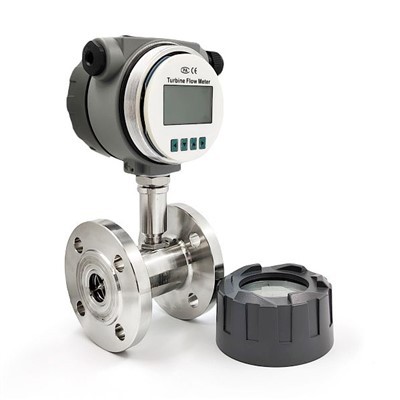
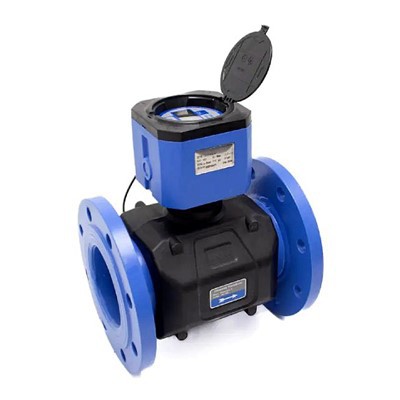
Before delving into the installation process, let’s briefly review how turbine flow meters work. A turbine flow meter consists of a housing with a rotor inside. As fluid flows through the meter, it causes the rotor to spin at a speed proportional to the flow rate. The rotation of the rotor is then detected by a sensor, which converts the mechanical motion into an electrical signal. This signal is used to calculate the flow rate based on the meter’s calibration.
Pre-Installation Considerations
- Pipe Size and Compatibility: Ensure that the turbine flow meter you’ve selected is the appropriate size for your vertical pipeline. The meter should have a compatible flange size and connection type to match your existing piping system.
- Fluid Characteristics: Consider the properties of the fluid being measured, such as its viscosity, density, and temperature. These factors can affect the performance of the turbine flow meter and may require special considerations during installation.
- Flow Conditions: Evaluate the flow conditions in the vertical pipeline, including the flow rate range, turbulence, and potential for air or gas entrainment. Turbine flow meters work best under steady, laminar flow conditions, so it’s important to minimize turbulence and ensure a consistent flow profile.
- Mounting Orientation: Determine the correct mounting orientation for the turbine flow meter in the vertical pipeline. In most cases, the meter should be installed with the flow direction from bottom to top to ensure proper lubrication of the rotor bearings and prevent air or gas pockets from accumulating in the meter.
Step-by-Step Installation Process
- Prepare the Pipeline:
- Shut off the flow of fluid in the pipeline and depressurize the system to ensure a safe working environment.
- Clean the inside of the pipeline to remove any debris, dirt, or contaminants that could damage the turbine flow meter or affect its performance.
- Check the pipeline for any signs of damage or corrosion and repair or replace as necessary.
- Install the Flow Meter:
- Carefully position the turbine flow meter in the vertical pipeline, aligning the flanges with the corresponding pipe flanges.
- Insert the gaskets between the flanges to ensure a proper seal and prevent leaks.
- Install the bolts and nuts, tightening them evenly in a criss-cross pattern to ensure a uniform distribution of pressure.
- Use a torque wrench to tighten the bolts to the recommended torque specification to prevent over-tightening or under-tightening.
- Connect the Wiring:
- Follow the manufacturer’s instructions to connect the wiring for the turbine flow meter’s sensor and transmitter.
- Ensure that the wiring is properly insulated and protected to prevent electrical interference or short circuits.
- Connect the power supply and any other necessary accessories, such as a display unit or data logger.
- Install the Upstream and Downstream Piping:
- Install the upstream and downstream piping according to the manufacturer’s recommendations. The upstream piping should be straight and free of any obstructions for a minimum of 10 pipe diameters to ensure a consistent flow profile.
- The downstream piping should also be straight for a minimum of 5 pipe diameters to allow the fluid to fully recover after passing through the meter.
- Use appropriate fittings and supports to ensure the stability and alignment of the piping system.
- Calibrate the Flow Meter:
- Once the turbine flow meter is installed, it’s important to calibrate it to ensure accurate flow measurement. Calibration involves comparing the meter’s output to a known standard and adjusting the meter’s settings as necessary.
- Follow the manufacturer’s instructions or consult with a qualified technician to perform the calibration process.
- Record the calibration results for future reference and to ensure compliance with industry standards and regulations.
- Test the Installation:
- Gradually open the valves and restore the flow of fluid in the pipeline.
- Monitor the turbine flow meter’s output and check for any signs of leakage, abnormal noise, or other issues.
- Compare the measured flow rate to the expected flow rate to verify the accuracy of the meter.
- Make any necessary adjustments to the meter’s settings or the installation to optimize its performance.
Tips for Successful Installation
- Follow the Manufacturer’s Instructions: Always refer to the manufacturer’s installation manual and guidelines for specific instructions and recommendations for your turbine flow meter.
- Use Proper Tools and Equipment: Use the appropriate tools and equipment for the installation process, including wrenches, torque wrenches, pipe cutters, and welding equipment.
- Ensure Proper Alignment: Ensure that the turbine flow meter is properly aligned with the pipeline to prevent misalignment and reduce turbulence.
- Minimize Vibration and Shock: Turbine flow meters are sensitive to vibration and shock, which can affect their performance. Use vibration isolation mounts and supports to minimize the impact of vibration and shock on the meter.
- Regular Maintenance and Inspection: Regularly inspect and maintain the turbine flow meter to ensure its continued accuracy and reliability. This includes cleaning the meter, checking the wiring and connections, and performing periodic calibration.
Conclusion
Coriolis Mass Flow Meter Installing a turbine flow meter in a vertical pipeline requires careful planning, preparation, and attention to detail. By following the steps outlined in this blog post and adhering to the manufacturer’s instructions, you can ensure a successful installation and optimize the performance of your turbine flow meter. If you have any questions or need further assistance with the installation process, please don’t hesitate to contact us. We’re here to help you find the right turbine flow meter for your application and provide you with the support and expertise you need to ensure its proper installation and operation.
References
- "Turbine Flow Meters: Theory and Applications." Instrumentation and Control Systems Magazine.
- "Installation and Maintenance Guide for Turbine Flow Meters." Manufacturer’s Manual.
- "Flow Measurement Handbook: Industrial Designs, Operating Principles, Performance, and Applications." Richard W. Miller.
Dalian Yheng Technology Co., Ltd.
Dalian Yheng Technology Co., Ltd. is one of the leading turbine flow meter manufacturers and suppliers in China, also supports customized service. We warmly welcome you to buy high quality turbine flow meter in stock here from our factory. Contact us for more details.
Address: F1605, NO.10 Huoju road, High-tech Industrial Zone, Dalian, China
E-mail: admin@dlyheng.com
WebSite: https://www.yhengphmeter.com/
