Hey there, fellow fabric lovers and DIY home decor folks! Let’s cut to the chase: if you’ve ever been scrolling for curtain materials, you’ve probably stumbled on Oxford cloth before. And if you’re like most people, your first thought might be, “Wait, that’s the stuff I use for work shirts, tote bags, and even sturdy backpacks—can that actually become curtains?” Spoiler alert: as someone who’s been supplying Oxford cloth for over 8 years now, I’m here to tell you it’s not just possible—it’s low-key one of the most underrated curtain picks out there. Let’s break this down like we’re chatting over a coffee, no stuffy textbook jargon allowed. Oxford Cloth
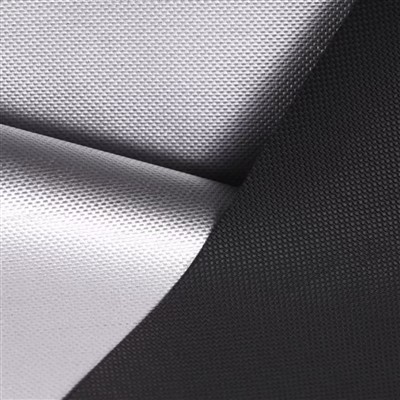
First off, let’s get the basics straight. Oxford cloth is that medium-weight, plain-woven fabric, right? It’s usually made from cotton (sometimes a cotton-poly blend, which is even better for durability), with a subtle “basket-like” weave texture that makes it feel a little more interesting than plain old plain cotton. For those who don’t know—we’ve all had customers message us going, “Wait, what is Oxford exactly?”—it’s not some fancy niche fabric; it’s just a tight, sturdy weave that’s super easy to work with.
So why would you even want to use this for curtains, instead of the usual linen, velvet, or polyester blends? Let’s start with the big one: durability. Curtains take a beating, let’s be real. They’re being opened and closed daily, getting brushed by pets, spilled on by kids (or you, let’s be honest), and exposed to sunlight that fades weaker fabrics in no time. Oxford cloth’s tight weave means it’s way less prone to tearing than, say, thin linen. We had a customer last year who ran a daycare—she came back and bought 12 rolls of our heavy-duty Oxford cotton because her old polyester curtains would snag every time a toddler grabbed them. Her new ones? Still going strong two years later, no snags, no holes. That’s a win.
Next up: light control. Wait, hold on—before you go, “Light control? I thought Oxford was just for casual shirts!” Hear me out. It depends on the weight and the weave tightness. If you go with our medium-weight Oxford (about 8 oz per yard, for the fabric nerds), it blocks way more light than sheer fabrics, but it’s not so thick that it feels like a cave when you draw them. We’ve had customers use it for bedroom curtains—soft off-white or warm gray Oxford filters the morning sun just enough so you don’t get woken up at 6 a.m. by bright rays, but it’s not so dark that your room feels depressing. If you want more light block? Our heavy-weight Oxford (12 oz per yard) is perfect for blackout-adjacent curtains, especially if you line it with a thin polyester lining—super easy to sew or even just staple to the back, no fancy skills needed.
The texture is another huge plus. A lot of people hate plain curtains that look like they came straight from a hotel room. Oxford’s weave has that subtle, almost bumpy texture that adds depth without being over-the-top. If you pick a muted color—like dusty blue, sage green, or even a soft cream—it pairs with basically every home decor style: minimalist, farmhouse, even mid-century modern. We supplied a customer who does a lot of mid-century renovations, and she kept coming back because Oxford’s understated look doesn’t clash with the wood and leather furniture she uses. It’s versatile, y’know?
Now, let’s get real about the downsides—no one likes a biased review, right? Oxford cloth is medium-weight, so if you’re looking for super drapey curtains that pool on the floor, it’s not your best bet. It has a little more structure, so it hangs straight instead of swishing around. That’s not a bad thing—some people prefer crisp, neat curtains—but if you want that flowing, romantic vibe, you might want to go for a lighter blend, maybe a cotton-linen mix instead of pure Oxford. Also, shrinkage? If you don’t pre-wash it before making your curtains, Oxford can shrink a little (like 3-5%, max) when you wash it. We always tell customers to throw their fabric in the washer and dryer on low heat before cutting and sewing—simple step, saves you from ending up with curtains that are too short after the first wash.
Wait, another thing: cleaning. Curtains get dusty, they might get spilled on, so easy care is key. Oxford is a breeze to clean. Our cotton Oxford is machine-washable on gentle, and the blend ones hold their shape way better than pure cotton. We had a guy who had a dog that liked to rub against the curtains—he just threw them in the wash once a month, and they looked good as new. No dry cleaning required, which is a huge plus compared to velvet or silk curtains that need professional cleaning.
Let’s talk about some creative ways people are using Oxford curtains, too. Some of our customers aren’t just making plain panels—they’re doing partial curtains, like a swag or a valance over a window, or even using Oxford as a layer with sheer curtains. One kitchen customer used Oxford as a roman shade—because it’s sturdy, it holds its shape when you raise and lower it, which is way better than a flimsy fabric that folds funny. We even had a wedding planner use Oxford for the ceremony backdrop curtains—hard to believe, right? But it’s neutral, doesn’t distract, and looks way more intentional than a plain white sheet.
Now, if you’re thinking, “Okay, I want to try this—where do I even start with picking the right Oxford?” That’s where we come in. As a supplier, we’ve got three main types of Oxford that work great for curtains:
- Medium-weight 8 oz cotton Oxford: Best for most bedrooms, living rooms, if you want a balance of drape and structure. It comes in 15+ colors, so you can match your wall paint or furniture.
- Heavy-weight 12 oz cotton-poly blend Oxford: Perfect for blackout curtains, high-traffic areas (like a playroom or entryway), or areas with lots of sunlight that would fade fabrics fast. The blend makes it extra durable and fade-resistant.
- Light-weight 6 oz cotton Oxford: If you want super casual, sheer-adjacent curtains (not too sheer, just soft), maybe for a screened-in porch or a guest room. It’s less common, but we stock it for folks who want that laid-back vibe.
We also offer sample packs—super cheap, like $5 for 5 swatches of different colors and weights—so you can hold them up to your window and see how they look in natural light. Trust me, nothing is worse than ordering fabric online and it looking totally different in your home’s light. The sample packs take 2 days to ship, so you won’t be waiting around.
Wait, let’s address a common misconception: Oxford cloth is too “casual” for formal spaces. I hear that all the time! But we supplied a customer who renovated a Victorian parlor—she used our soft cream heavy-weight Oxford, lined with a thin white lining, and it looked elegant, not casual. The key is the color and the weight. Darker, heavier Oxford in muted tones feels way more formal than a bright, light 6 oz Oxford. It’s all in how you style it, not the fabric itself.
Another pro tip: if you’re new to sewing, Oxford is way easier than other fabrics because it doesn’t stretch much. Curvy fabrics like jersey can slip and pucker when you’re sewing, but Oxford’s tight weave keeps its shape, so your hems and seams will look neat even if you’re a beginner. We had a customer who’d never sewn before—she bought our medium Oxford, followed a free YouTube tutorial for simple curtain panels, and they turned out amazing. She messaged us a photo, and I swear, you couldn’t tell she was a first-timer.
Now, let’s get the logistics out of the way. We offer bulk rolls for contractors, interior designers, and people who need larger quantities, as well as smaller cuts for DIYers (even just a yard or two if you only need to fix one curtain). Our prices are competitive—way cheaper than most specialty curtain fabrics, especially if you go for the cotton-poly blend, which saves you money without sacrificing quality. We also ship to all 50 states, and most orders arrive in 3-5 business days, so you won’t be waiting weeks to get started on your project.
Wait, what about if you’re not a DIYer? Can you still use Oxford for curtains? Absolutely! A lot of interior designers we work with love Oxford for their projects because it’s affordable and looks great. We’ve had designers use it in small apartment projects, where budget is tight, and it always gets compliments. Even if you’re hiring a curtain maker, they’ll be happy to work with Oxford—it’s a common fabric, so most sewers know how to handle it.
Let me wrap this up with a quick reality check. If you’re someone who wants curtains that look good, last for years, are easy to clean, and don’t break the bank, Oxford cloth is absolutely worth a shot. It’s not the right pick if you want super drapey, flowy curtains, but for 90% of people, it’s perfect. And as someone who’s been in this industry for years, I can tell you that more and more people are catching on to Oxford for curtains—we’ve seen sales for curtain-grade Oxford go up 40% in the last two years, so it’s not just a trend, it’s a go-to now.
If you’re ready to check it out, head over to our site to order sample packs or browse our curtain-specific Oxford options. We can also help you pick the right weight and color if you’re not sure—just send us a message, and our team will walk you through it. No sales pitches, no confusing jargon, just straight-up answers to whatever questions you have. We’ve supplied fabric to thousands of people, from DIYers to big interior design firms, and we’re here to help you make the best choice for your space.
At the end of the day, curtains are one of the biggest small changes you can make to a room—they change the light, the feel, the whole vibe. Don’t sleep on Oxford just because you used it for a shirt before. It’s a versatile, durable, and budget-friendly option that might just be the perfect curtain fabric for you. Hit us up to chat, ask for samples, or place your order—we’re here whenever you need us.
Tent Fabric References
- Textile Institute. (2021). "Woven Fabric Durability and Care Guidelines." Journal of Textile Science and Apparel Technology.
- Home Decor Fabric Association. (2022). "Fabric Selection for Residential Window Treatments." Annual Industry Report.
- Cotton Council International. (2020). "Properties of Oxford Cotton Blends for Home Textiles." Cotton in Practice Magazine.
- Interior Designers of America. (2023). "Trending Window Treatment Materials for Modern Homes." Design Trends Quarterly.
- Consumer Product Safety Commission. (2021). "Safe Cleaning Practices for Home Fabric Goods." Home Care Safety Bulletin.
Wujiang Jiashunxin Spray Weaving Co., Ltd.
As one of the most professional oxford cloth manufacturers and suppliers in China, we’re featured by quality products and good service. We warmly welcome you to wholesale bulk customized oxford cloth from our factory. If you have any enquiry about free sample, please feel free to email us.
Address: Xingli New Village, Lili Town, Wujiang District, Suzhou City, Jiangsu Province
E-mail: xuzhiqiang20260525@163.com
WebSite: https://www.shunbangfabric.com/
