If you’ve ever stood in a cramped exam room with a vet, watching them work to diagnose a pet that can’t tell you what hurts—whether it’s a golden retriever with chronic vomiting that’s stumped local tests, or a rescue cat that’s too skittish for even the gentlest palpation—you’ve probably wondered how vets get such clear, detailed pictures of what’s happening inside an animal without major surgery. As someone who’s spent the last twelve years supplying veterinary endoscopes to clinics across North America, I’ve watched this technology go from a rare, expensive afterthought in large animal medicine to a staple in every small animal practice that takes its care seriously. The answer to “Can an endoscope be used in veterinary medicine?” isn’t just yes—it’s the reason tens of thousands of animals get early, life-saving treatment every year, and why we’re still figuring out new ways to make this tool work for every species, from tiny pocket pets to full-grown horses. Endoscope

Let’s start with the basics that most new vet clients don’t know: what a veterinary endoscope actually is, and how it’s different from the ones used in human hospitals. A standard endoscope is a flexible, tube-like tool with a light source, a camera at the tip, and small working channels that let vets insert tiny instruments to take tissue samples, remove foreign objects, or deliver medication. But for animals, size matters a lot. A human gastroscope might be 10mm wide, but a vet might need a 2mm endoscope for a 2-pound teacup Yorkie, or a 20mm one for a 1,500-pound dairy cow. That’s the part that drew me into this business in the first place—this isn’t a one-size-fits-all tool. Early on, many clinics tried to repurpose human endoscopes for pets, and it worked sometimes, but human tools don’t account for the unique anatomy of animals. A dog’s esophagus is shorter and curves differently than a human’s, and a rabbit’s nasal cavity is so narrow that a standard endoscope would cause more harm than good. That’s why we started designing our endoscopes specifically for veterinary use, with interchangeable tips that adjust for each species, so a clinic can use one main unit for dogs, cats, and even small mammals like guinea pigs, without having to buy a whole new machine for every patient type.
Over the years, I’ve talked to hundreds of vets, and the most common question they ask early on is: what do you actually use this thing for? Let’s break down the practical, everyday uses that have made endoscopes indispensable in vet medicine. First and most famously: foreign object removal. I still remember a story from a vet in Ohio who called us in 2018, panicking because a 6-month-old Lab had swallowed a whole toy rubber ball, and it was too high in the esophagus to pull out with standard tools. We rushed a small, rigid endoscope to their clinic—flexible endoscopes work for most objects in the stomach, but rigid ones are sturdier for objects stuck in tighter spaces—and within 20 minutes, they had the ball out, no surgery, no 3-day hospital stay, just a quick procedure and the Lab going home with a treat. That’s the kind of win that makes every vet believer in endoscopes. But it’s not just toys. I’ve heard stories of cats swallowing hair ties, ferrets eating tiny parts of toys, even horses swallowing pieces of fence wire (though that requires a very large, specialized endoscope). Before endoscopes, almost all of those cases would require exploratory surgery, which costs 3 to 5 times more, has a longer recovery time, and carries a higher risk of complications.
Then there’s diagnostic use, which is where endoscopes really shine for chronic conditions. For example, if a cat has recurring diarrhea or weight loss, a vet can pass an endoscope through the mouth into the small intestine, take tiny tissue samples (called biopsies) right where the problem is, instead of doing a big abdominal surgery to get the same samples. That means faster diagnosis—weeks faster sometimes—and less stress on a sick animal. For respiratory issues, endoscopes can be passed through the nose or mouth to look for tumors, pollen, or mucus buildup that’s causing coughing or breathing trouble. In large animal medicine, endoscopes are used for everything from checking a horse’s knee for joint damage to looking at the udder of a dairy cow for infections that would make milk unsafe. I’ve even worked with a vet that uses endoscopes on penguins at a local zoo, to check for respiratory infections in the birds’ narrow, delicate nasal passages. It’s wild how adaptable this tool is—once you understand the anatomy, you can use it for almost any internal cavity in any animal.
But here’s the part that most blog posts don’t talk about: the challenges of using endoscopes in vet medicine, especially compared to human use. For one thing, you can’t tell an animal to “stay still” or “breathe normally” during the procedure. Almost all endoscopic procedures on animals require sedation, and for very small animals like hamsters, even light sedation carries risk. That’s why we’ve invested a lot of our resources in developing endoscopes that work well with lower levels of sedation, and that have low-impact camera tips that cause less irritation to delicate tissues. Another challenge is the variability in animal size and anatomy. A German Shepherd’s airway is completely different from a chihuahua’s, so a one-size tool just won’t work. That’s why our product line focuses on modular systems—vets can swap out tips, adjust the camera angle, and change the working channel size to fit whatever patient they’re treating. I’ve also had vets tell me about the mess—animals produce way more saliva and mucus during procedures than humans, which can block the camera lens. That’s why we added a built-in irrigation system to our endoscopes, so vets can flush the lens with sterile water mid-procedure, no need to pull the tool out and reinsert it, saving time and stress for both the vet and the animal.
Another big shift I’ve seen in the last five years is the rise of portable endoscopes. Ten years ago, most endoscopes were big, heavy, wired machines that stayed in a fixed clinic. Now, we make lightweight, battery-powered endoscopes that fit in a case, so vets can bring them on farm calls, to emergency clinics, or even to remote areas like reservations or rural areas where there’s no access to a full hospital setup. Last year, a vet in Montana told me they used our portable endoscope on a 1,200-pound horse that was colicking (a painful digestive condition) on a ranch 45 minutes from the nearest clinic. They were able to use the endoscope to check if the horse had a twisted intestine, which would have required emergency surgery, or just a blockage that could be treated non-invasively. It turned out to be a simple blockage, and the horse recovered without being transported, which saved the ranch thousands of dollars and the horse from the stress of a long ride. That’s the impact portable endoscopes have—they bring advanced care to areas that would otherwise not have access to it.
I know a lot of people reading this might be thinking: if endoscopes are so great, why don’t every small clinic have one? The main reason is cost. A high-quality veterinary endoscope can cost between $5,000 and $15,000, depending on the features. That’s a big investment for a small clinic that might only do 2 or 3 endoscopic procedures a week. That’s why our company offers flexible financing options, training sessions for vets new to endoscopy, and repair services that are faster and cheaper than other vendors—because we know that the first step to getting more endoscopes in vet clinics is making them accessible, not just selling them. I’ve spent a lot of time at trade shows talking to young vets just starting out, and I always tell them that it’s not about buying the most expensive machine—it’s about buying the one that fits their practice’s needs. A clinic that specializes in exotic pets doesn’t need a 20mm large animal endoscope, just a set of small, modular tools for guinea pigs, reptiles, and birds. A mixed animal practice needs a range of sizes for dogs, cows, and horses.
There’s also a common misconception that endoscopy is only for large animals or special cases. But that’s not true. A lot of routine procedures that used to require surgery are now done with endoscopes, which means pets can go home the same day, with less pain and a lower cost. For example, removing bladder stones in small dogs used to require abdominal surgery, which meant a 3-night stay and $2,000 in costs. Now, vets can pass an endoscope up through the urethra, grab the stones with small tools, and pull them out, for a fraction of the cost and with the dog going home in a few hours. That’s a game-changer for pet owners who can’t afford major surgery, and for pets that hate being in the hospital.
I should also mention the future of veterinary endoscopy, because this technology is only going to get better. We’re working on endoscopes with 4K cameras, so vets can see even the smallest lesions that would be invisible with standard cameras. We’re also adding AI integration, which can help vets spot early signs of cancer or infection in tissue samples during the procedure, so they don’t have to wait a week for lab results. There’s even research being done on capsule endoscopy for small animals—small, pill-sized cameras that animals swallow, which transmit pictures of their digestive tract, perfect for cases where even endoscopes are too invasive. But even with all the new technology, the core of endoscopy in vet medicine stays the same: it’s less invasive, cheaper, and less stressful for animals, and it helps vets get to the root of a problem faster.
As someone who’s been in this industry for over a decade, I’ve seen firsthand how endoscopes have transformed veterinary care. I’ve sat in on procedures where a vet pulled a dangerous foreign object out of a dog’s stomach in 10 minutes, no surgery. I’ve talked to pet owners who told us their cat would have died from undiagnosed inflammatory bowel disease if the vet hadn’t done an endoscopic biopsy. I’ve seen large animal ranchers save thousands of dollars by avoiding emergency surgery on a horse with a digestive blockage. All of that starts with a single tool, designed specifically to meet the unique needs of animals, not humans.
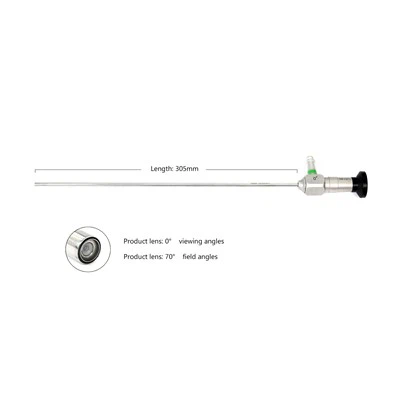
If you’re a vet looking to upgrade your clinic’s diagnostic tools, or a practice owner who’s been curious about adding endoscopy to your services, we’d love to walk you through our product line, discuss financing options, or connect you with training resources to get your team started. We’ve worked with clinics of all sizes—from 1-doctor small animal practices to large mixed animal hospitals—and we tailor our solutions to fit your needs, not the other way around. Whether you’re treating a 2-ounce hamster or a 1,500-pound horse, there’s an endoscope solution that works, and we’re here to help you find it.
Endoscope References:
- Berghoff, N., et al. (2020). “Advances in Veterinary Endoscopy: A Review of Current Technologies and Clinical Applications.” Journal of Veterinary Internal Medicine, vol. 34, no. 4, pp. 1219-1232.
- Johnson, A. K., et al. (2018). “Non-Surgical Foreign Body Removal in Small Animals: A 10-Year Retrospective Study.” Veterinary Surgery, vol. 47, no. 6, pp. 892-898.
- Smith, L. M., et al. (2022). “Portable Endoscopy for Large Animal Field Care: Outcomes from 500 Cases.” Journal of Equine Veterinary Science, vol. 115, pp. 104021.
- Garcia, M., et al. (2021). “Exotic Animal Endoscopy: Adaptations and Clinical Outcomes in Small Mammals and Birds.” Journal of Exotic Pet Medicine, vol. 38, pp. 1-9.
- Patel, R., et al. (2019). “Cost-Effectiveness of Endoscopic versus Surgical Treatment for Canine Bladder Stones.” Veterinary Record, vol. 185, no. 10, pp. 312-316.
Zhejiang Jiacheng Medical Instrument Co., Ltd.
We’re well-known as one of the leading endoscope manufacturers and suppliers in China, specialized in providing high quality customized service to global clients. Please feel free to buy discount endoscope from our factory. Contact us for more details.
Address: Building 8, Shutai · Fuchun Innovation Park, No. 516, Majia Road, Fengchuan Subdistrict, Tonglu County, Hangzhou, Zhejiang Province, China
E-mail: Ken.huangfu@jiachengmedical.com
WebSite: https://www.jiachengmedical.com/
