If you’ve ever walked past a product packaging display at a grocery store, a stationery shop, or even a small local craft fair, chances are you’ve handled grey board without even realizing it. As someone who’s been in the grey board supply business for over a decade, I can’t tell you how many times I’ve gotten the same question from clients, small business owners, and even hobbyists: “Wait—can you actually print on that grey stuff, or is it just for backing and padding?” It’s a fair question, and one that’s stumped more people than you’d think. Grey board is often pigeonholed as a “utility” material—something to use for rigid bases, book covers’ inner layers, or custom display stands that don’t need to be fancy. But over the years, I’ve seen first-hand how printing on grey board isn’t just possible—it can elevate a brand’s packaging, craft projects, and promotional materials in ways no one expects. Let’s break this down, cut through the myths, and get real about what printing on grey board actually entails, straight from a supplier who works with this material every single day. Grey Board
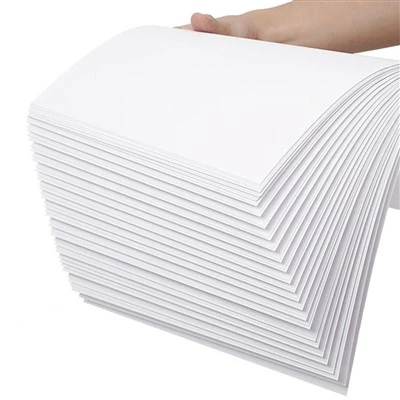
First, let’s start with the basics so we’re all on the same page. Grey board (sometimes called gray board, depending on regional spelling) is a thick, rigid paper-based material made from 100% recycled paper fibers, usually a mix of post-consumer waste and industrial off-cuts. It’s layered together in a process called pulping and pressing, resulting in that characteristic dull, neutral grey core—no bright white pulp here, which is why some people assume it can’t hold ink or print well. Wait, I get that thought: if your surface is grey, won’t any ink or print just get lost? That’s where a lot of misinformation comes from, actually. The grey color itself isn’t a barrier to printing—it’s how the board is finished, prepared, and matched to the right printing method that makes all the difference.
Let’s talk about the two main types of grey board we supply, because that’s a critical detail for anyone looking to print. We have solid grey board, which is a uniform grey all the way through, and paper-faced grey board, which has a thin layer of white or colored paper laminated to one or both sides. A lot of people assume paper-faced grey board is the only one you can print on, but that’s not true. We’ve worked with clients who print directly on solid grey board for a more rustic, minimalist look—think a small-batch candle brand that wanted their packaging to have a matte, textured finish that didn’t look artificial, or a craft spool company that used the board’s natural grey as part of their brand’s earthy aesthetic. The key here is prep work. Uncoated solid grey board is porous, so ink can soak in unevenly if you don’t prime it first. That’s where a lot of first-time printers go wrong: they grab a sheet of grey board, fire up their inkjet printer, and get a blurry, smudged mess. I’ve had more than one small business owner bring those test prints to me, frustrated, and say “Your grey board is no good for printing!” Turns out, they just skipped the prep step.
So, how do you print on grey board successfully? Let’s walk through the process step by step, as we explain it to every client who comes to us with printing questions. First, assess your end goal. Are you making custom product packaging that needs to be durable and look professional? A home decor craft project with a matte finish? A small display stand that needs to hold up at a trade show? Each goal will call for a different approach.
For starters, if you’re working with solid grey board, the first rule is to prime it. Priming seals the porous paper fibers so ink sits on the surface instead of absorbing into the board and fading or bleeding. There are two common priming methods: acrylic primer and gesso. Acrylic primer is cheaper and works well for most print jobs, while gesso is thicker, creates a smoother surface, and is great for higher-resolution prints. We always recommend testing a small scrap of your specific grey board grade first—because not all grey board is the same. Thinner, lighter-weight grey board will absorb primer differently than thick, 100pt grey board used for heavy-duty packaging. That’s why as a supplier, I never just hand over a stack of boards and say “print these”—I always send a few free test scraps, along with advice on priming based on the board’s thickness and grade.
Then there’s the printing method itself, and this is where a lot of people realize that not all printers work with thick, rigid materials like grey board. Let’s go through the most common options, from hobbyist to commercial, because that’s what our clients use every day.
Inkjet printing: For small-scale projects, hobbyists, or small batch orders, inkjet is the most accessible option. But here’s the catch: most home and office inkjet printers are designed for standard copy paper, up to a maximum thickness of 110lbs (or about 0.01 inches) of paper. Grey board is way thicker—most commercial grades start at 0.02 inches, and go up to 0.1 inches or more for heavy-duty uses. So you can’t just feed a sheet of grey board into your home inkjet without risking a paper jam, or even damaging the printer. That said, there are wide-format inkjet printers designed to handle thicker materials, and some office printers have a “thick media” setting that works for thinner grey board (up to 0.03 inches). For hobbyists, a lot of local print shops offer large-format inkjet services that can handle grey board, and that’s a go-to for small craft businesses. I had a client last year who makes custom wedding invitations using grey board as the backing card—she works with a local print shop that uses a wide-format inkjet, and her prints come out crisp, with the grey board’s texture adding a soft, rustic charm that her clients love.
Laser printing: Laser printers are another option, but again, thickness is a factor. Laser printers use toner fused to the surface with heat, so they can handle slightly thicker materials than inkjet, but they still have a limit—usually around 0.04 inches for most office models. One thing to note with laser printing on grey board: because grey board is porous, the toner can sometimes take a second to set, so you have to let the print cool completely before handling it, or it might smudge. We’ve had clients who use laser printers with our paper-faced grey board (the white side, obviously) for small batch packaging, because the toner adheres really well to the smooth white paper layer. It’s fast, affordable for small runs, and the print quality is sharp enough for product labels or small display signs.
Offset printing: This is the workhorse for commercial, large-batch orders, and it’s the method most of our larger clients use—think candle brands, skincare companies, and book publishers that use grey board for hardcover cases. Offset printing works by transferring ink from a plate to a rubber blanket, then to the printing surface, and it can handle grey board of almost any thickness, as long as the board is properly sized and trimmed to fit the press. The key with offset printing on grey board is that the board’s surface is smooth enough to hold fine detail, so we often recommend our paper-faced grey board for commercial offset jobs, because the white paper layer creates a clean, blank canvas that makes the print colors pop. I worked with a small skincare brand two years ago that used 50,000 sheets of our 0.08 inch white-faced grey board for their product boxes—they offset printed the boxes with their logo, ingredient lists, and product photos, and the finish was so smooth and vibrant, it stood out on the shelf next to much more expensive packaging. The brand told me that the grey board, paired with the offset print, cost them 30% less than a full cardboard box with a glossy finish, and their sales actually went up because the packaging felt high-end and unique. That’s the kind of win we love to see as a supplier—helping a small business get professional results without breaking the bank.
Wait, but what about that matte vs glossy finish? A lot of people ask if you can get glossy prints on grey board, and the answer is yes—you just have to add a laminate or varnish after printing. Whether you’re printing on solid grey board or paper-faced grey board, a clear gloss laminate adds shine, durability, and protection, which is perfect for products that might get handled a lot, like phone cases or portable display stands. For a more muted, natural look, a matte laminate is great for craft projects or eco-friendly brands, which is a huge segment of our business these days. A lot of our clients are small sustainable brands, and they love that grey board is already 100% recycled, so pairing it with a matte, uncoated print (or a matte laminate) keeps their packaging aligned with their eco values.
Now, let’s talk about common mistakes people make when printing on grey board, because I’ve seen them all, and it’s always better to avoid these than to waste time and materials. First, skipping the test print. I can’t stress this enough—grey board comes in different grades, thicknesses, and surface textures, so what works for one client’s order might not work for yours. We always advise clients to get a test scrap from us, print a small design, and test how the ink adheres, how the printer handles the thickness, and how the finish looks before placing a large order. Second, not accounting for the board’s size when setting up your print file. Grey board is cut to custom sizes for most packaging projects, so if you’re designing a print file, make sure you account for bleed (the extra space around the design that gets trimmed off) to avoid white edges or cut-off details. Third, using the wrong printer for the job. If you’re printing 100 sheets of grey board for a trade show display, don’t use your home inkjet printer—take it to a local print shop or use a commercial printer that can handle thick media. Jamming a home printer with grey board is not only a hassle, it can void your printer warranty, which is a big headache no one needs.
Another question I get all the time: is printing on grey board worth it, compared to printing on regular cardboard or paper? The short answer is yes, but it depends on what you’re using it for. Grey board is way more rigid than standard cardboard or paper, so it’s perfect for projects that need structure. A custom photo frame backer, a hardcover book case, a display stand that holds products upright, a set of business cards that feel substantial—all of these work way better with printed grey board, because it doesn’t bend or warp easily. Also, because it’s made from recycled materials, it’s a more sustainable option than virgin cardboard for many brands, which is a huge selling point right now. I had a client recently who switched from virgin cardboard packaging to printed grey board for their organic granola bars, and they cited both the durability (the boxes held up better during shipping, reducing product damage) and the eco-friendly branding as the main reasons. They told me their customers noticed the difference, and their positive online reviews even mentioned the packaging being “sturdy and thoughtful.” That’s the impact of a good print job on a good material.
Wait, let’s also address the elephant in the room: what about printing on grey board for high-resolution, fine art projects? Yes, that’s a thing too. A lot of fine artists and photographers use thick grey board as a backing or mat board, and they print their art directly on it for a minimalist, gallery-worthy look. The key here is using acid-free grey board, which we also supply for this exact purpose. Acid-free board prevents the art from fading over time, which is critical for fine art prints. I work with a local photographer who prints her landscape photos on our 0.06 inch acid-free solid grey board, and she frames them without glass for a modern, textured look that her clients love. The grey board’s natural color acts as a subtle background for the photo, making the colors pop without being distracting. That’s a totally different use case than product packaging, but it’s another example of how versatile printed grey board is.
Now, as someone who’s been in this industry for years, I want to be honest about the limitations, too. Grey board isn’t for every single print project. If you need a very flexible material, grey board is too thick and rigid. If you want ultra-vibrant, saturated colors without any hint of the board’s base color, white-faced grey board is still better than solid grey board, because a dark grey base might make lighter colors look muted. But for most projects that need structure, durability, or a unique, textured look, printed grey board is a fantastic option.
At the end of the day, the biggest takeaway is that grey board is far more versatile than most people give it credit for. It’s not just for padding or backing—it’s a canvas, a packaging material, a display tool, and a fine art surface all in one. As a supplier, my job isn’t just to sell grey board—it’s to help our clients use it effectively, whether that’s printing for a small craft business, a large commercial brand, or a fine artist working on a new collection. We don’t just ship stacks of boards; we send test scraps, advise on printing methods, and troubleshoot issues, because we know that when our clients succeed, we succeed too.

If you’re considering printing on grey board for your next project—whether it’s product packaging, craft supplies, a trade show display, or something entirely different—we’re here to help. We offer a range of grey board grades, thicknesses, and finishes, plus free test scraps and tailored advice to make sure your print job turns out exactly how you want it. Don’t let the myth that grey board can’t be printed on hold your project back—reach out to us to discuss your needs, and we’ll walk you through every step, from selecting the right board to choosing the best printing method for your budget and timeline. The only limit is your imagination, and we’re here to help you bring it to life with printed grey board that’s as durable, versatile, and professional as you are.
Duplex Board References
- TAPPI. (2019). Grey Board Specifications and Manufacturing Standards. Technical Association of the Pulp and Paper Industry.
- Printwear & Promotion Association. (2021). Best Practices for Printing on Rigid Substrates. Print Industry Resource Guide.
- Forest Stewardship Council. (2022). Recycled Paperboard for Sustainable Packaging. FSC Chain of Custody Report.
- International Fine Art and Craft Publishers Association. (2020). Archival Materials for Fine Art Printing. IFCPAA Technical Bulletin.
- Packaging Digest. (2022). Rigid Packaging Trends: Grey Board as a Versatile Alternative to Virgin Paperboard. Industry Analysis Report.
Dongguan Banyan Material Co., Ltd.
We are one of the most experienced grey board manufacturers and suppliers in China, also support customized service. Please feel free to wholesale bulk eco-friendly grey board from our factory. Quality products and reasonable price are available.
Address: NO.167, Meijing West Road, Songmushan, Dalang Town, Dongguan City, Guangdong Province, China
E-mail: Sales_chris@yspaper.com
WebSite: https://www.paperyoung.com/
